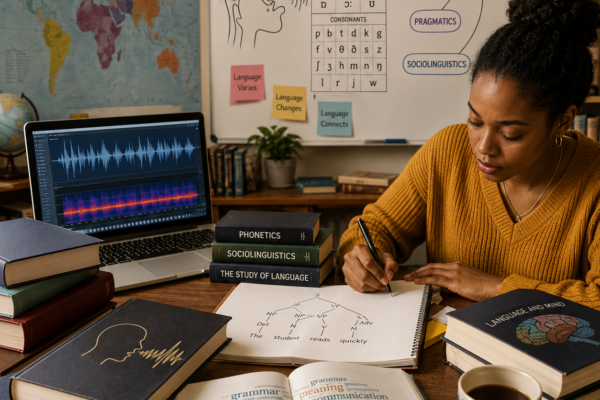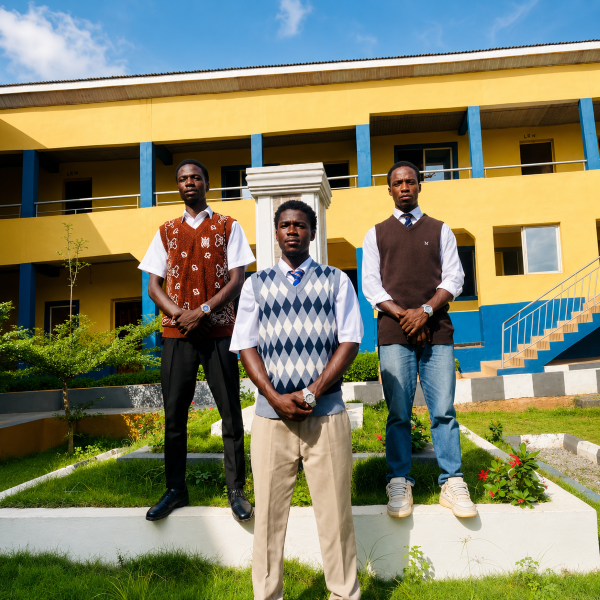
Student Life at Rhema Ijoko Science, Management and Technology
Student life at Rhema Ijoko College of Health Science, Management and Technology is about more than attending lectures and preparing for examinations. It is an opportunity for students to learn, build friendships, develop practical skills, discover their talents, and prepare for their future careers.
Located in Ijoko, Sango-Otta, Ogun State, Rhema College provides an environment where students from different academic backgrounds can pursue their educational goals in health sciences, management, science, and technology-related disciplines. The institution emphasizes academic development, practical training, professionalism, innovation, and personal growth.
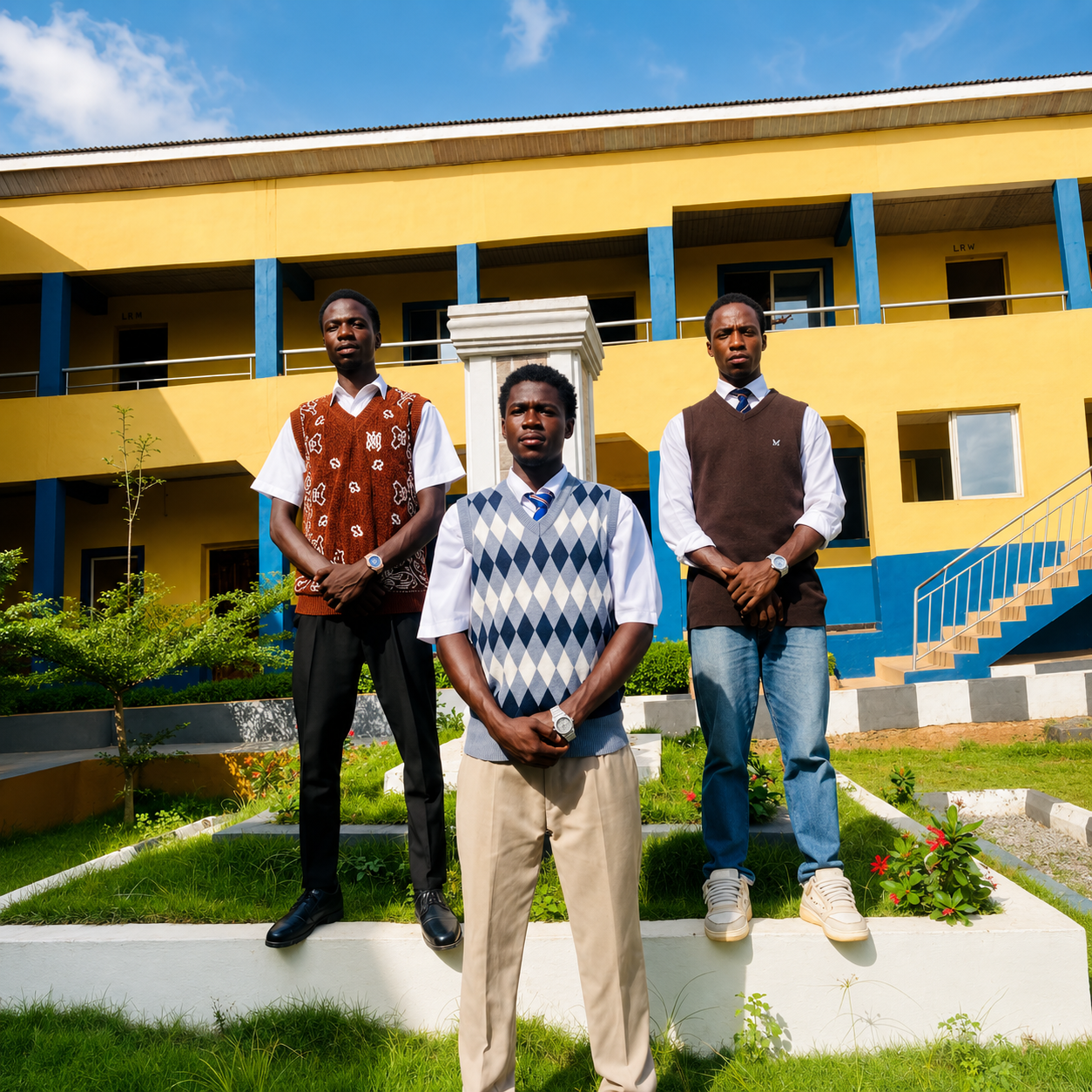
A Community of Learning and Growth
One of the important aspects of student life at Rhema is being part of a learning community. Students interact with lecturers, classmates, and other members of the college community while working toward their academic and professional goals.
The college describes its student environment as supportive and student-centered, with emphasis on guidance, mentorship, collaboration, and personal development. This creates opportunities for students to develop not only academically but also socially and professionally.
For many students, college life is also where lifelong friendships begin. Classmates work together on assignments, practical activities, projects, presentations, and other academic responsibilities. These experiences can help students develop communication, teamwork, leadership, and problem-solving skills.
Learning Beyond the Classroom
At Rhema, education is presented as a combination of classroom learning and practical experience. The college emphasizes hands-on training through laboratory work, clinical practice, workshops, and internships where applicable.
This practical approach is particularly important for students pursuing health-related programs. Understanding theories is important, but students also need opportunities to understand how knowledge is applied in real-world situations.
Students may therefore experience different aspects of academic life, including:
- Classroom lectures and discussions
- Laboratory and practical sessions
- Group assignments and presentations
- Research and academic projects
- Workshops and skills development
- Clinical or field-related experiences where applicable
- Interaction with lecturers and academic mentors
The goal is to help students develop skills that can be useful after graduation.

Life as a Health Science Student
For students studying health-related disciplines, student life can be particularly demanding and rewarding. Rhema offers programs in areas such as Public Health, Health Laboratory Technology, Pharmacy Technology, Medical Laboratory Science, Community Health and other health-related fields.
Students in these programs have the opportunity to build knowledge around healthcare, disease prevention, laboratory practices, community health, patient care and other areas relevant to their chosen disciplines.
The college also emphasizes professionalism, ethics, discipline and compassion—qualities that are important for people preparing for careers in healthcare.
Science, Technology and Innovation
Student life at Rhema is not limited to health sciences. The institution also provides opportunities for students interested in science, management and technology.
Programs listed by the college include areas such as Microbiology, Biochemistry, Chemistry, Engineering Technology, Business Administration, Public Administration, Accounting and Linguistics.
Students therefore have different academic interests and career ambitions. A student interested in laboratory science may spend considerable time developing scientific and practical skills, while a management student may focus on business, leadership, finance and organizational development.
This diversity can make campus life more interesting because students have the opportunity to interact with people pursuing different career paths.
Making Friends and Building Connections
One of the memorable parts of college life is the opportunity to meet new people.
At Rhema, students can build relationships with classmates and other members of the college community. Working together on assignments, attending practical sessions and participating in academic activities can create strong connections.
These relationships can become valuable beyond school. Classmates may eventually become colleagues, business partners, professional contacts and lifelong friends.

Developing Confidence and Leadership Skills
College is also a period of personal development. Students gradually become more confident in communicating their ideas, working with others and taking responsibility.
Presentations, group projects, practical activities and academic assignments can help students improve their communication and leadership abilities.
Rhema’s stated vision places emphasis on student-centered education and preparing students for service to their communities.
This means that student life can be viewed not simply as preparation for examinations, but as preparation for life and professional responsibility.
Academic Support and Student Development
A successful student needs more than textbooks. Academic guidance, mentorship and a supportive environment can make a significant difference.
Rhema states that it provides student support, guidance and mentorship designed to help students succeed academically and personally. The college also highlights career preparation and practical learning as parts of the student experience.
Students are encouraged to take responsibility for their education by attending classes, participating in practical activities, seeking clarification from lecturers and developing good study habits.
Campus Life and Everyday Experiences
Everyday student life is made up of many small experiences: arriving for lectures, meeting classmates, studying before examinations, completing assignments, attending practical sessions and preparing for the next stage of one’s career.
For new students, the first few weeks can be an exciting period of adjustment. They become familiar with their department, lecturers, classmates and academic requirements.
As students progress through their programs, they typically become more comfortable with the academic environment and more focused on their professional goals.
The college also provides student facilities and resources intended to support learning and development, while its published information highlights practical training, laboratories, learning resources and student support.
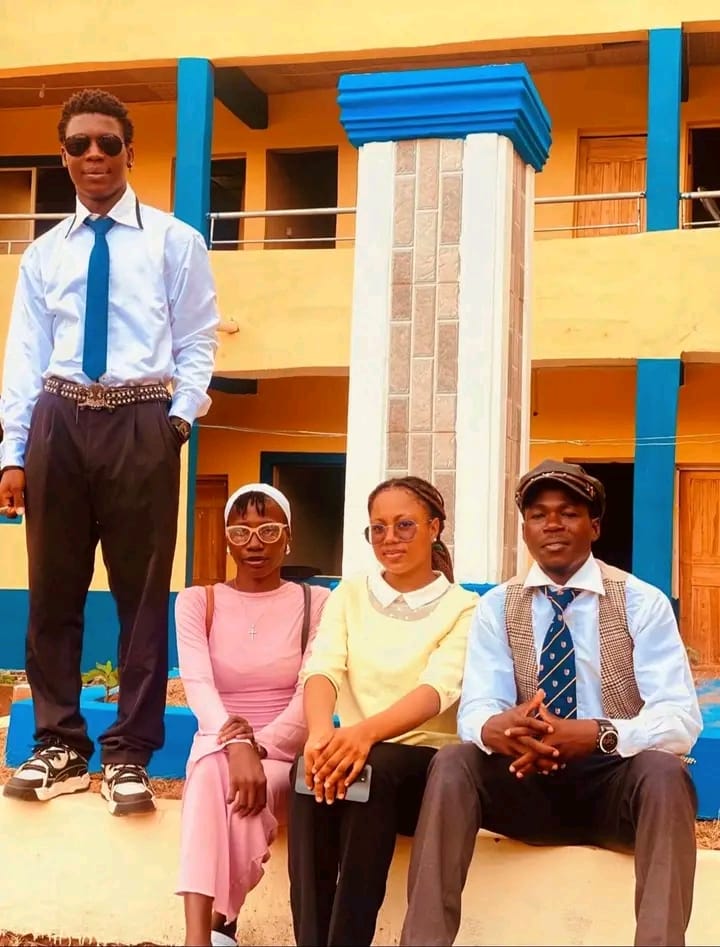
Preparing for Life After Graduation
One of the most important purposes of student life is preparation for the future.
Rhema’s programs span health sciences, management, pure and applied sciences, social sciences and technology. This allows students to pursue different professional interests while developing academic and practical competencies.
Students can use their time at college to build a strong foundation by:
- Developing professional knowledge
- Improving communication skills
- Learning how to work in teams
- Building practical experience
- Developing leadership qualities
- Creating professional relationships
- Taking academic projects seriously
- Developing discipline and responsibility
These experiences can help students transition from college into employment, entrepreneurship, further education or professional training.
More Than a School
For many students, college becomes an important chapter of their lives. It is where they learn new subjects, meet new people, overcome academic challenges and begin to understand the professional world.
At Rhema Ijoko College of Health Science, Management and Technology, the published student-life philosophy emphasizes a supportive learning community, practical education, professional development and personal growth.
Whether a student is studying Public Health, Medical Laboratory Science, Pharmacy Technology, Microbiology, Business Administration, Engineering Technology or another program, the college experience can be an opportunity to develop the knowledge and confidence needed for the next stage of life.